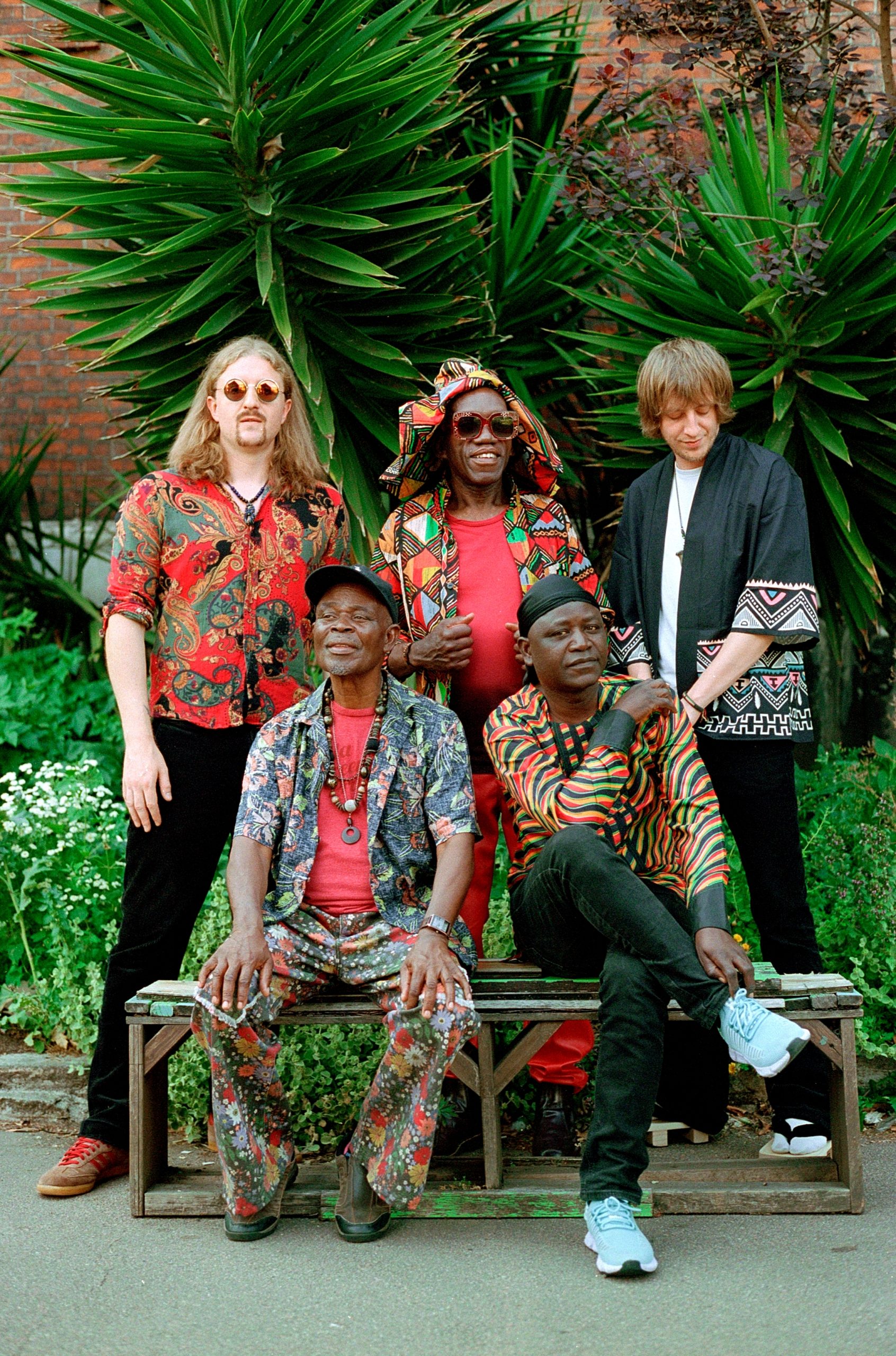
W.I.T.C.H.
A pioneering Zambian psychedelic act, W.I.T.C.H. (the name is an acronym, standing for We
Intend to Cause Havoc) were one of the defining acts of Zamrock, a fusion of Western rock and
rhythm & blues with traditional African sounds. They were among Zambia's most popular and
influential bands in the 1970s as a wave of psychedelic and hard rock gained an audience in
Africa. A landlocked nation in the South of Africa, Zambia was formerly Northern Rhodesia until
gaining its independence in 1964, and as Zambia established its own national identity, local
musicians began embracing the progressive influences of artists such as the Beatles, the Rolling
Stones, and Jimi Hendrix, as well as the forward-thinking soul and funk sounds of James Brown.
By the mid-'70s, Zambia was falling into political chaos as the nation's once-profitable mining
industry ran dry, and many Zamrock bands reflected this with a darker, more psychedelic-
influenced sound that suggested a familiarity with the likes of Deep Purple and Grand Funk
Railroad. W.I.T.C.H.'s 1972 debut, Introduction, was the first commercial album released by a
Zambian band, and they continued to deliver music until fading into dormancy in the mid-'80s. A
reissue campaign launched in 2011 brought the band to a new generation of listeners, and
W.I.T.C.H. reunited in 2014 and started touring again shortly thereafter. In 2023, they released
Zango, their first new album in almost 40 years. The original lineup of W.I.T.C.H. included vocalist
Emanyeo "Jagari" Chanda, guitarists Chris Mbewe and John Muma, bassist Gedeon Mulenga, and
drummer Boidi Sinkala, who were veterans of Zambian cover bands of the late '60s; Chanda
(whose nickname "Jagari" came from his fascination with Mick Jagger, one of his strongest
influences) had worked with the Red Balloons and the Boyfriends (the latter group would evolve
into another key Zamrock outfit, Peace), while most of the other members were members of
Kingston Market. In 1971, Chanda sang with Kingston Market at a school function, and he was
invited to join the group; they soon changed their name to the Mighty W.I.T.C.H., and then simply
W.I.T.C.H, using the acronym they'd coined as explanation. Fuelled by marijuana and Western
rock and soul, the group's debut album, Introduction, was released in 1972, and was among the
first commercially released LPs issued in Zambia. W.I.T.C.H.'s third album, 1975's Lazy Bones!!,
is generally regarded as their finest work; while they were hampered by the primitive recording
technology available in Africa, they developed a large following in Zambia and were playing
stadium-sized shows throughout the continent. After W.I.T.C.H. toured as an opening act for
Osibisa, the U.K.-based Afro-rock band, they began including more local influences on their next
album, Lukombo Vibes, but in 1977 the group began to splinter when Chanda left to return to
school and become a teacher. A reshuffled version of W.I.T.C.H. continued to record up until the
mid-'80s, going in a more disco-influenced direction with Patrick Mwondela, on albums like
1980's Movin' On and 1984's Kuomboka. Around the mid-'80s, however, the band ground to a halt.
In the 21st century, crate diggers interested in idiosyncratic rock sounds from around the world
rediscovered W.I.T.C.H., and the German reissue label Shadoks released new CD editions of
Introduction and Lazy Bones!! In 2011 the American label Now Again Records released We Intend
to Cause Havoc!, a comprehensive W.I.T.C.H. box set that featured their five studio albums plus
a bonus collection of single tracks and unreleased material. This sparked new interest in the
band, and by 2013, a Chanda-led W.I.T.C.H. with Mwondela, had regrouped and was touring
again. In 2023, W.I.T.C.H. released Zango, their first album of new material in almost 40 years. It
included contributions from fellow Zambian artists such as Sampa the Great . In June 2025, they
released Sogolo, their second album. ~Mark Deming, Rovi